
What is yacht wrapping — and how does it work?
Yacht wrapping is the application of a high-performance cast vinyl film to the exterior or interior surfaces of a vessel. The film bonds directly to the existing surface — hull, superstructure, interior panels, cabinetry, fixtures — without damaging the underlying finish. When removed, it leaves the original surface intact.
Today’s marine-grade vinyls from manufacturers such as 3M and Avery Dennison are engineered to withstand UV radiation, saltwater, temperature cycling, and the physical stresses unique to life at sea. These are not the same films used on road vehicles.
There are two types of marine vinyl worth knowing about. Cast vinyl is the professional standard — manufactured by casting liquid vinyl onto a release liner, it conforms precisely to the compound curves found on every yacht hull, and is dimensionally stable after application. Calendered vinyl is a cheaper alternative made by mechanically compressing vinyl. It is less conformable, less durable, and has no place on a superyacht application. It is also a reliable sign of a low-quality installer.
Unique Yacht Wrapping uses cast vinyl exclusively from 3M and Avery Dennison — the two most rigorously tested marine-grade film manufacturers in the world. If an installer cannot name their film manufacturer, or quotes an unusually low price, they are almost certainly using calendered vinyl.
Beyond exterior wrapping, there are two other important services. Interior wrapping uses 3M’s DI-NOC architectural vinyl to transform panels, furniture, cabinetry, doors, and fixtures without removal or sanding — with over 700 textures available including marble, wood grain, leather, and brushed metal. Paint Protection Film (PPF) is a transparent polyurethane film applied over existing paint to protect against physical damage. Self-healing PPF, which repairs minor surface scratches using heat, is now the industry standard for superyacht applications.
Wrap vs paint: the numbers at a glance
| Factor | Vinyl wrap | Traditional paint |
|---|---|---|
| Cost (50m hull) | Approx. 10% of paint equivalent | High capital outlay; significant infrastructure costs |
| Time in yard | 3 days (80ft); 8–12 days (30–60m) | Weeks to months depending on vessel size |
| Finish options | Unlimited — gloss, satin, matte, metallic, colour-shift | Excellent gloss; limited matte and metallic options |
| Reversibility | Fully reversible — original paint untouched | Permanent; adds weight and complexity over time |
| Lifespan (exterior) | 4–8 years depending on conditions | 8–12 years for a quality application |
| Environmental impact | No solvents or harsh chemicals | VOC-emitting solvents; significant chemical waste |
| Paint protection | Preserves original paintwork in factory condition | Exposes paint to UV, salt, and physical wear |
| Charter downtime | Minimal — can be done between charters | Extended yard periods; significant revenue loss |
| Resale value | Original paint preserved; easily removed pre-sale | Condition-dependent; chips and fading reduce value |
Cost comparison: the real numbers
The savings are real and substantial — but the full picture is more nuanced than a simple percentage comparison. Here is what to expect at different vessel sizes.
| Vessel size | Full wrap (approx.) | Full repaint (approx.) |
|---|---|---|
| Up to 80ft (24m) | £8,000 – £25,000 | £40,000 – £120,000 |
| 30–45m | £30,000 – £80,000 | £180,000 – £400,000 |
| 45–60m | £60,000 – £130,000 | £350,000 – £700,000 |
| 60m+ | £100,000+ | £600,000 – £1,500,000+ |
Figures are indicative only and vary based on surface condition, finish specification, location, and project complexity. Contact Unique Yacht Wrapping for a project-specific quotation.
The hidden cost of painting: The published cost of a repaint rarely reflects the true total. Lost charter revenue during extended yard periods, crew accommodation costs, transport, and paint depreciation from day one all add significantly. These costs are dramatically reduced — or eliminated — with a professional vinyl wrap.
When to wrap — and when paint is still the right answer
We believe in giving owners and captains an honest assessment. Vinyl wrapping is not always the right solution. Here is our genuine guidance on which situations suit each approach.
Wrap is the better choice when:
- You want a colour or finish change without committing permanently
- Minimising yard time and charter downtime is a priority
- The vessel is in good painted condition and you want to protect that investment
- You need an unusual or bespoke finish — deep matte, metallic, colour-shift
- The yacht changes ownership, livery, or branding regularly
- You want to protect high-wear areas from physical damage
- Budget is a meaningful consideration relative to a full repaint
- The vessel operates a charter schedule that makes extended yard periods difficult
- You want to refresh an interior without a full refit
Paint may be the better choice when:
- The hull has significant osmotic blistering, deep scoring, or structural surface damage
- You require a 10+ year finish with no interim attention
- The vessel is at the end of a major refit receiving paint as part of a comprehensive programme anyway
- Resale in the very near term is the priority and the target buyer expects factory paintwork
A note on combining both: Many owners use wrap and paint together — fresh paint on new builds or during major refits, with vinyl wrapping for colour changes, updates, and protection between paint cycles. This hybrid approach delivers the best of both worlds and is increasingly common among sophisticated fleet managers.
Transformation: before and after
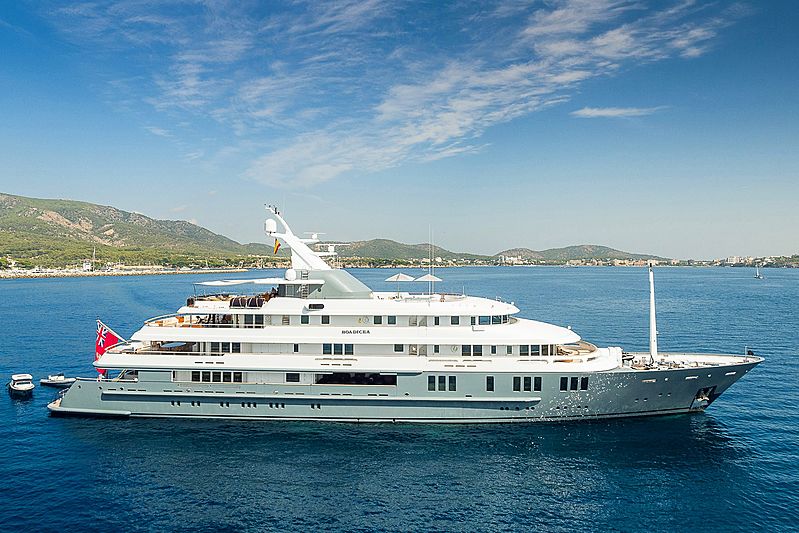

Real projects from Unique Yacht Wrapping
Frequently asked questions
Discuss your requirements
If you have any questions or want to learn more about how Unique Yacht Wrapping can help you, please get in touch.


